Kongo: Geodynamics, natural Resources, and Karst areas
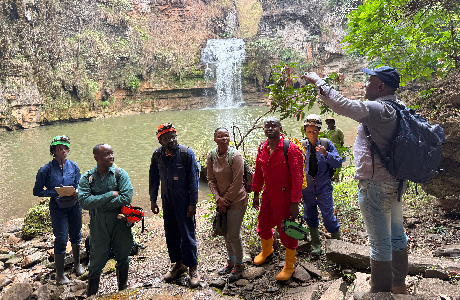
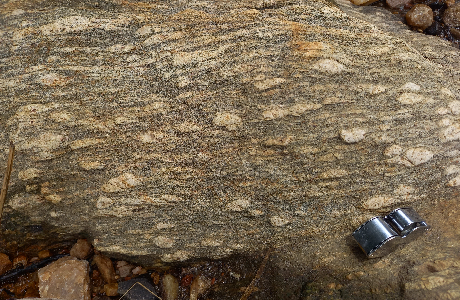
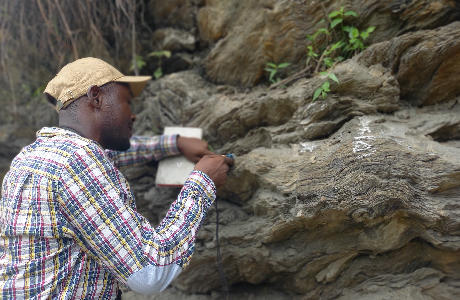
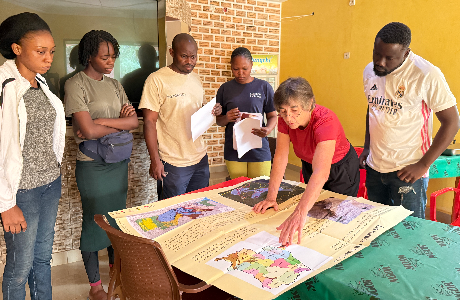
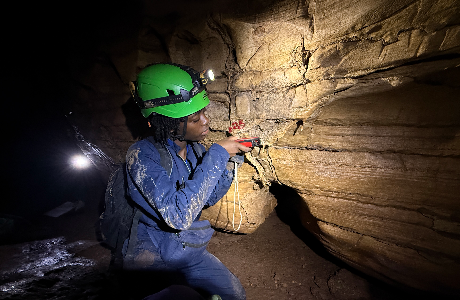
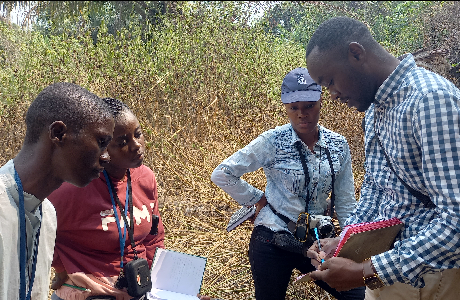
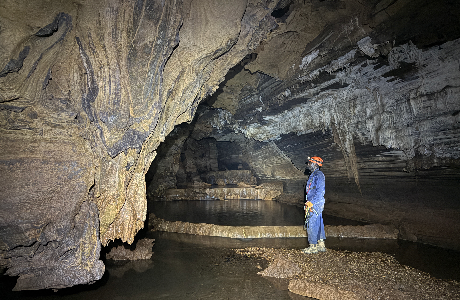
The research areas, located in the West Democratic Republic of the Congo and the West of the Republic of the Congo, are focused on:
- The study of karst formations that develop underground cavities. These cavities have preserved large quantities of geological information that is often difficult to observe at the surface. By studying them, we gain valuable insights into the processes behind cavity formation and the climates that influenced their evolution. Caves are also unique ecosystems, home to numerous endemic species that require protection. Beyond their ecological importance, caves have historically served as refuges and places of worship for human populations. Archaeological discoveries made by our teams are frequent and enrich our understanding of past societies. Karst areas are often recognized as remarkable sites worldwide, with potential as sustainable resources through geotourism. Our work contributes to documenting, protecting, and promoting these exceptional landscapes.
- Increasing knowledge about cratons (regions stabilized for more than 500 million years), particularly in Central Africa, and the surrounding orogens (mountain belts). We are specifically studying the evolution of geodynamics during the Precambrian (a geological period spanning from 4.6 billion years ago to around 500 million years ago) and the development of plate tectonics on Earth during this period, with a focus on metamorphic rocks. To achieve this, we use petrology, thermobarometry, structural geology, geochemistry, and geochronology. We are also interested in the links between geodynamics and the origins/remobilizations of mineral resources associated with cratons and orogens. Furthermore, we investigate the immense Congo River basin, in particular the tectonic movements that have shaped this part of Earth’s crust over the last hundred million years. These movements led to significant consequences, either on the formation of secondary deposits (supergene, oxidized), often very rich (e.g. Cu-Co in Katanga), or on the possible formation of deep oil reserves.
-
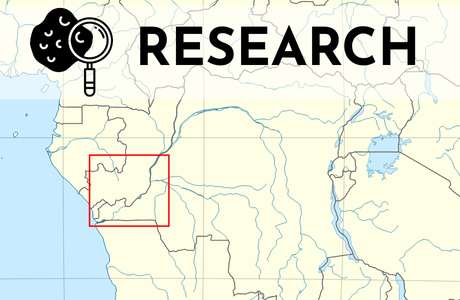
Research Areas
The study areas are primarily located in the Democratic Republic of the Congo (Kongo Central, Mayombe), and the Republic of the Congo:
Bouenza and Mbanza Ngung: Cave topography, ....
-
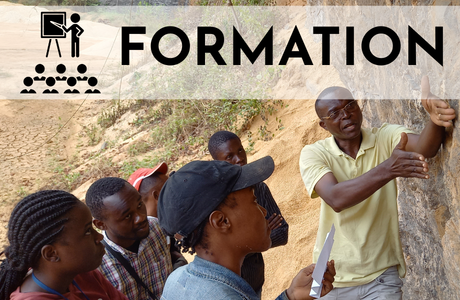
Fellowship Program
"Capacity Building" program, centered around three academic levels:
- Academic, scientific, logistical, and financial support for fellows (MSc, DEA, Ph.D., and Postdoc).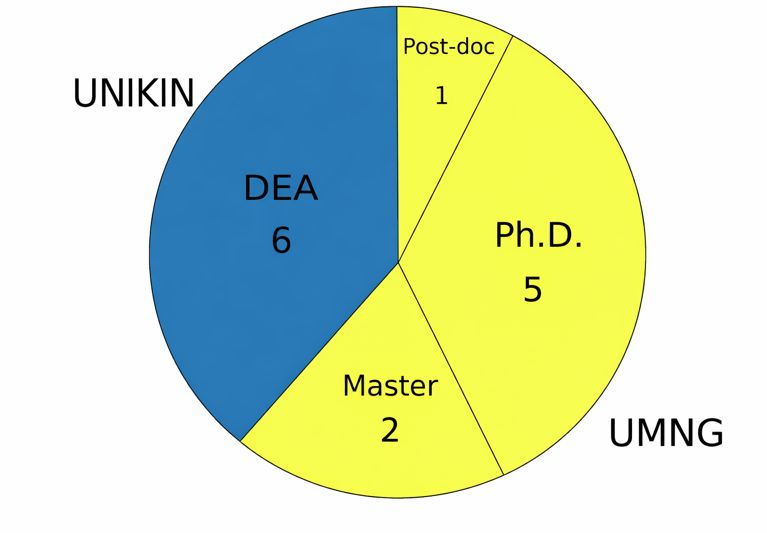
- Academic research co-directed by researchers from African partners.
- Contribution to the second cycle academic training programs (MSc) of African partners through thematic seminars and/or conferences. -
Promotors
Royal Museum for Central Africa:
-
Pascale LAHOGUE
Camille FRANÇOIS
Florias MEES
Nicolas NIKIS
Imen ARFAOUI
Damien DELVAUX DE FENFFE
African partners:
- Republic of the Congo - UMNG:
Prof. Dr. Florent BOUDZOUMOU
Prof. Dr. Timothée MIYOUNA
Dr. Vicky BOUENITELA 
- Democratic Republic of the Congo UNIKIN/CRGM:
Prof. Dr. Roland KAKULE
Prof. Dr. Holy Joseph HOLENU
Dr. Blaise KABAMBA BALUDIKAY
Prof. Dr. Albert TIENGE ONGENDANGENDA
Prof. Dr. Thomas KANIKA MAYENA
Prof. Dr. Valentin KANDA NKULA
-